
How to Choose the Right Paint Finish for Every Room in Your Home
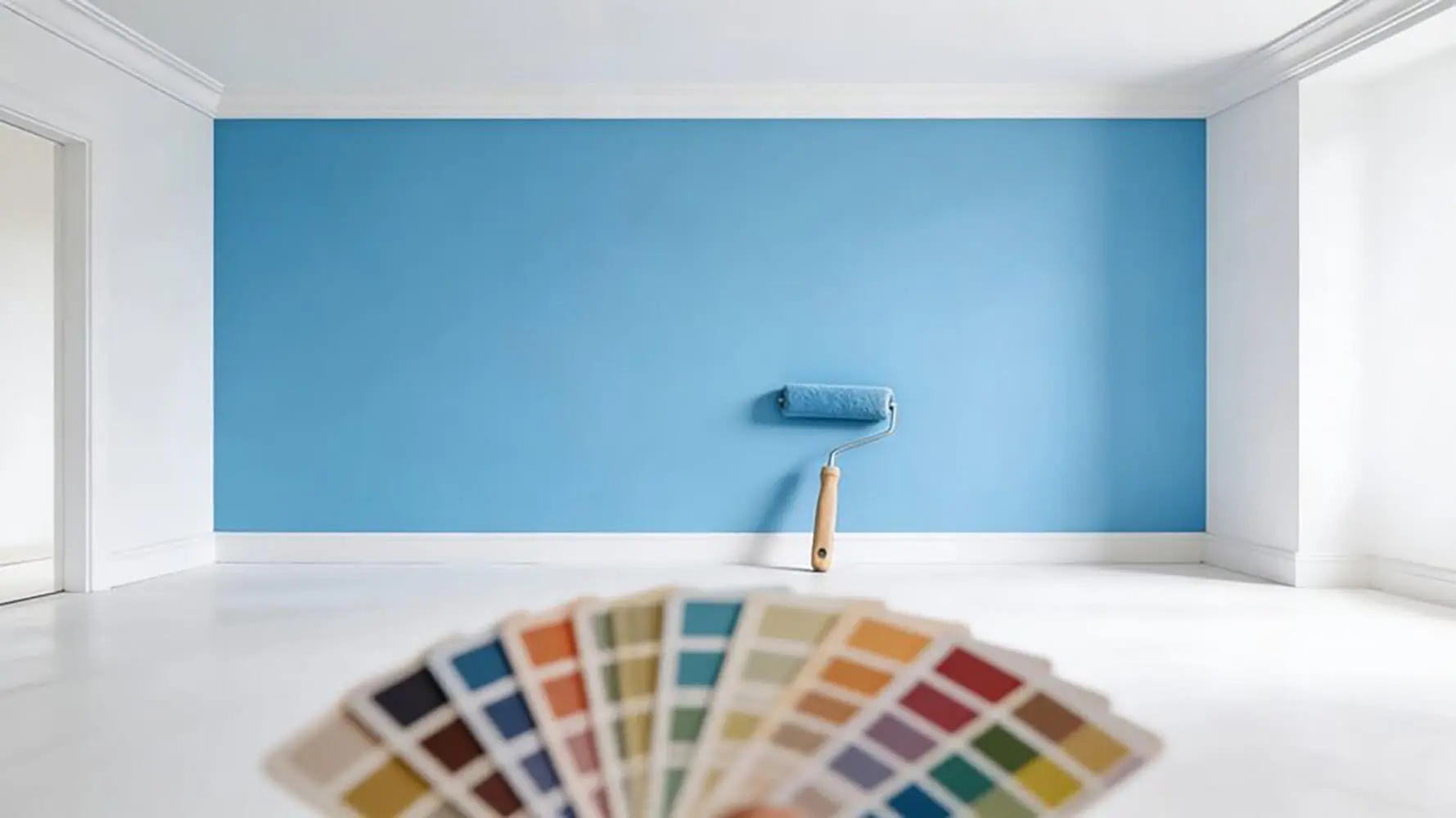
Most homeowners spend a lot of time choosing paint colors and very little time thinking about finish. That’s understandable — color is what catches the eye. But finish is what determines how a room actually lives. It affects how light behaves on the walls, how well the surface holds up to cleaning, and how long the paint job looks fresh.
Get the finish wrong and even a beautiful color can fall flat. A matte finish in a high-traffic hallway shows every scuff. A flat ceiling paint on kitchen walls won’t survive a single wipe-down. A glossy finish in a bedroom can make the space feel clinical rather than comfortable.
Choosing the right paint finish for every room comes down to understanding two things: what the finish actually does, and how the room is used. Once those two factors are clear, the decision becomes straightforward.
What Paint Finish Actually Means
Paint finish — sometimes called sheen — refers to how much light the dried surface reflects. A higher sheen reflects more light and produces a shinier appearance. A lower sheen absorbs more light and produces a flatter, more muted look.
Sheen level affects more than appearance. It also determines how durable the surface is, how easy it is to clean, and how forgiving it is of wall imperfections. Here is how the main finish options break down:
- Flat or matte: No sheen. Absorbs light and hides surface imperfections well. The least durable option — not designed to be scrubbed or wiped repeatedly.
- Eggshell: Very low sheen with a soft, subtle glow. More washable than flat, and far more commonly used in living spaces. Hides minor imperfections reasonably well.
- Satin: Medium sheen with a smooth, velvety appearance. Durable and easy to clean. The most versatile finish for interior spaces.
- Semi-gloss: Noticeable shine. Highly durable and moisture resistant. Easy to wipe down. Shows surface imperfections more than lower-sheen options.
- High-gloss: Very high shine. The most durable and washable option. Highlights every imperfection on the surface beneath it.
Understanding where each finish sits on that spectrum is the starting point. The room-by-room decisions flow from there.
Living Rooms and Dining Rooms
Living rooms and dining rooms are social spaces. They see regular use but not the kind of heavy abuse that kitchens or hallways take. They also tend to be the rooms where homeowners care most about how the walls look — color depth, light behavior, and overall feel matter here more than in a utility space.
Eggshell is the most common choice for living rooms and dining rooms, and for good reason. It has enough sheen to be cleanable without introducing a shine that draws attention to wall texture or imperfections. It holds color depth well and looks polished without feeling high-maintenance.
Flat or matte finishes work in living rooms where walls are in excellent condition and the homeowner prioritizes the richest possible color appearance. The tradeoff is washability — flat paint does not hold up well to repeated cleaning, so it works best in spaces that don’t see a lot of contact with walls.
What to avoid: Semi-gloss or high-gloss on living room walls. The shine level is too high for a comfortable, relaxed space and will highlight every imperfection in the drywall.
Bedrooms
Bedrooms prioritize comfort and calm. The finish choice here should support that feeling rather than work against it.
Flat or eggshell are both appropriate for bedrooms depending on the situation. Flat works well in adult bedrooms where walls are in good shape and the room sees minimal wall contact. Eggshell is the safer choice for most bedrooms because it handles occasional cleaning without sacrificing the soft, relaxed appearance that works in a sleeping space.
Children’s bedrooms are a different situation. Kids’ rooms take significantly more abuse — handprints, crayon marks, scuffs from toys and furniture. Satin is the better call for a child’s bedroom. It cleans up easily and holds up to the kind of contact that would wear out a flat or eggshell finish quickly.
What to avoid: Semi-gloss on bedroom walls. The reflectivity is too high and makes the space feel more like a bathroom than a bedroom.
Kitchens
Kitchens are the most demanding interior environment for paint. Moisture from cooking, grease, food splatter, and frequent cleaning all take a toll on wall surfaces. The finish needs to handle all of it without breaking down.
Satin is the minimum for kitchen walls. It resists moisture, cleans up without scrubbing through the paint film, and holds up to the daily wear a kitchen produces. Most professional painters default to satin for kitchen walls because it strikes the right balance between durability and appearance.
Semi-gloss is appropriate for kitchen walls in spaces that see heavy cooking activity or where moisture levels are consistently high. It is also the standard choice for kitchen trim, window frames, and door frames — surfaces that see frequent contact and benefit from a harder, more washable finish.
What to avoid: Eggshell or flat in a kitchen. Neither finish is designed to handle the moisture and cleaning frequency a kitchen requires. Both will break down and begin to look worn far sooner than a satin or semi-gloss coat.
Bathrooms
Bathrooms present the same moisture challenges as kitchens, compounded by steam from showers and baths. The paint on bathroom walls needs to resist moisture absorption and handle cleaning without deteriorating.
Semi-gloss is the standard recommendation for bathroom walls. It repels moisture effectively, dries without absorbing humidity, and wipes clean easily. In smaller bathrooms where light is limited, the reflectivity of semi-gloss also helps the space feel brighter and more open.
Satin can work in larger bathrooms with good ventilation where moisture levels are lower. In a small bathroom with a shower and limited airflow, semi-gloss is the safer choice.
What to avoid: Anything below satin in a bathroom. Eggshell and flat finishes are not moisture resistant and will begin to peel, bubble, or grow mildew in a high-humidity environment.
Hallways and Entryways
Hallways and entryways take more abuse than almost any other space in the home. Walls get brushed constantly as people move through. Furniture scrapes against surfaces. Bags, coats, and equipment make contact regularly. In entryways, outdoor elements — mud, rain, debris — come in with every person who walks through the door.
Satin is the right choice for hallways and entryways. It is durable enough to handle repeated contact, easy to wipe clean when marks appear, and doesn’t carry so much sheen that it looks out of place in a transitional space.
The key quality in a hallway finish is cleanability. Marks and scuffs will happen — the finish needs to handle cleaning without showing wear at the spots that get wiped most frequently.
What to avoid: Flat or eggshell in a hallway or entryway. These finishes are not designed for the level of contact these spaces receive and will show wear quickly.
Trim, Doors, and Ceilings
These surfaces operate by different rules than walls, and the finish decisions reflect that.
Trim and doors are handled frequently, bumped into regularly, and need to be wiped down often. Semi-gloss is the standard for interior trim and doors. It provides a crisp, defined appearance that makes architectural details stand out, and it holds up to the contact these surfaces receive. High-gloss is an option for doors and trim where the homeowner wants a more formal, lacquered appearance — but it will highlight any imperfections in the surface, so preparation matters more.
Ceilings are almost always painted flat. Ceiling surfaces are not touched or cleaned, so durability is not a factor. Flat finish on ceilings hides texture inconsistencies and roller marks, and it does not reflect light back down into the room in a way that feels harsh or clinical. Most ceiling paints are specifically formulated flat for this reason.
A Note on Surface Preparation
Finish choice matters, but surface preparation determines how well that finish performs. Paint applied over dirty, cracked, or poorly primed surfaces will not adhere correctly and will not last as long regardless of how good the product is.
Before any finish goes on, surfaces should be:
- Cleaned of dust, grease, and residue
- Repaired at cracks, holes, and damaged areas
- Primed where bare surfaces or significant repairs are present
- Sanded smooth where texture or old paint edges would show through
Skipping preparation is the most common reason a paint job looks or performs below expectations. The finish is only as good as what it’s applied over.
Choosing the Right Finish with Confidence
Choosing the right paint finish for every room does not need to be complicated. Match the finish to how the room is used, account for moisture and traffic levels, and let surface condition guide the preparation decisions. Those three factors cover most of what homeowners need to get it right.
If you are planning an interior refresh and want guidance on finish selection, color, and surface preparation, the team at Willow Tree Painting is here to help. Call us at 845-324-9256 or contact us today to schedule a free consultation.