Pros and Cons of Exterior Painting During Summer in Warwick, NY
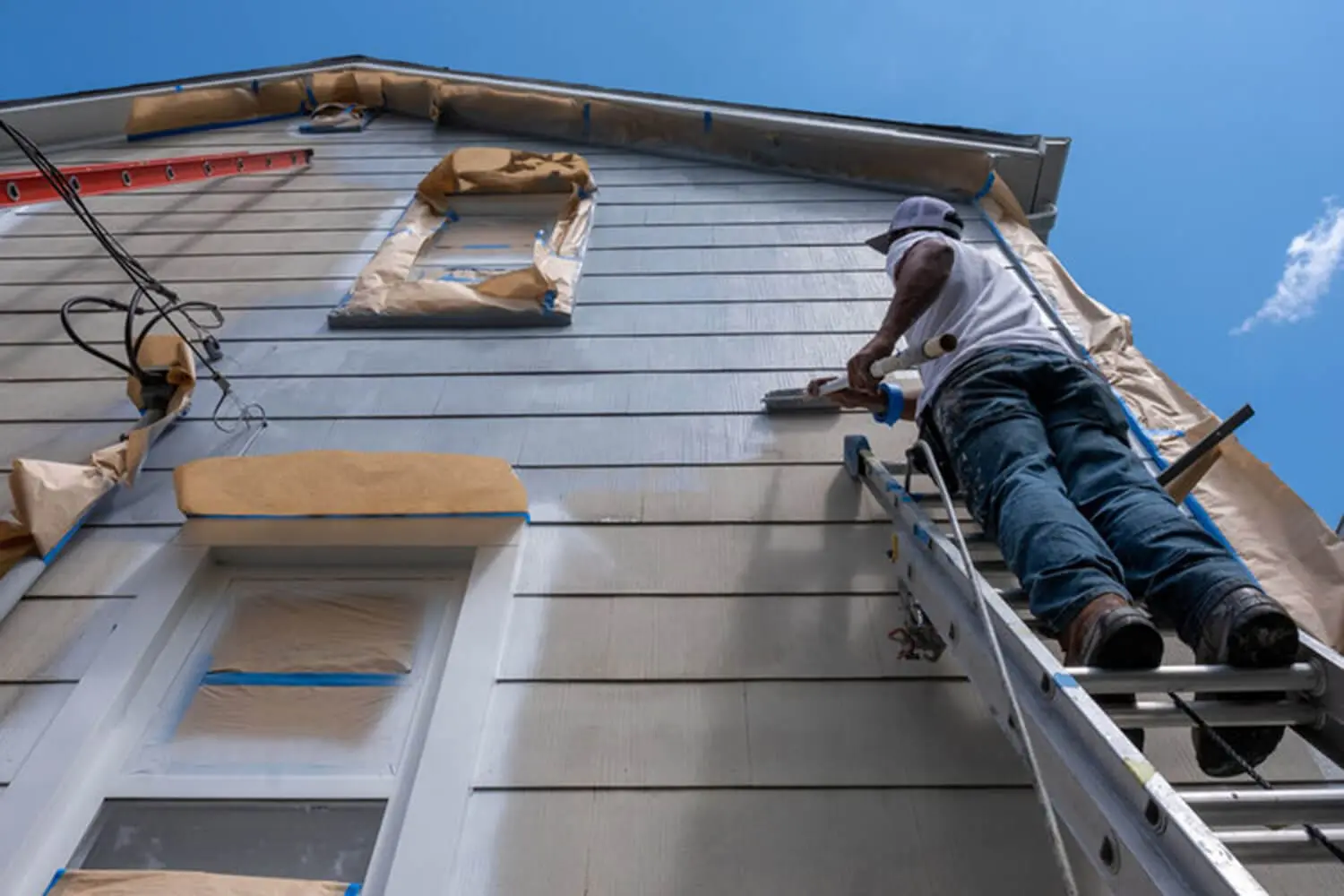
Summer is when most exterior painting projects happen in Warwick. Contractor calendars fill up, crews are running full schedules, and homes across the area get fresh coats of paint from June through August. It’s the most active painting season by a significant margin, which makes it easy to assume summer is straightforwardly the right time to move forward with a project.
The reality is more nuanced. Summer brings genuine advantages that make it a workable season for exterior painting. It also brings specific conditions that can complicate a project if a homeowner isn’t prepared for them. Understanding both sides is what allows a homeowner to decide whether summer is the right window for their specific situation.
What Are the Pros of Painting Your Exterior in Summer in Warwick
Summer’s advantages are real and worth understanding. They’re part of why it remains the most active exterior painting season in Warwick despite the challenges the season also brings.
Stable Overnight Temperatures Make Curing More Predictable
Exterior paint needs sustained temperatures above 50°F through the curing window after application. In summer, Warwick’s overnight lows meet that threshold reliably from June through August.
This is a meaningful advantage over spring, where overnight temperature drops create real curing risks that summer reliably avoids. In summer, that risk is gone. A crew can finish a section in the evening with confidence that curing conditions will hold overnight. That reliability matters practically in several ways:
- It reduces the variables a painter needs to monitor after the workday ends
- It makes multi-day projects easier to plan without worrying about overnight temperature drops
- It removes one of the more unpredictable failure points that spring painting carries
The advantage is most pronounced in June and early July, before peak summer heat becomes the dominant concern.
Longer Daylight Hours Give Crews More Time to Work
Summer days in Warwick are significantly longer than spring or fall. Sunrise before 6 AM and sunset after 8 PM in June and July means crews have a wider working window than at any other point in the year.
More working hours per day translates to real project benefits:
- Larger projects move faster and span fewer total days
- Painters have more flexibility to work around peak heat by starting early or finishing in cooler evening hours
- Complex trim and detail work has more time to be done carefully without rushing against a shorter day
For homeowners, the extended daylight often means a shorter overall project timeline. A job that might take four days in October can move faster in July simply because there are more usable hours in each day.
What Are the Cons of Painting Your Exterior in Summer in Warwick
Summer’s drawbacks are equally real. They don’t disqualify the season, but they require active management that homeowners should understand before assuming summer exterior painting is straightforward.
Heat and Direct Sun Create Application Problems
Warwick summers bring intense heat, and south and west-facing surfaces that absorb direct afternoon sun can reach surface temperatures that significantly exceed the air temperature on a hot July day.
Paint applied to an overheated surface dries too quickly, before it has time to level and bond properly, and that compromised bond is one of the conditions that shortens exterior paint longevity in Warwick over time. The results show up in the finished surface:
- Brush marks and roller texture that remain visible after drying
- Uneven sheen across large wall sections
- A finish that fails earlier than it should because the bond wasn’t established correctly
What makes this tricky is that surface temperature and air temperature are not the same thing. A day with an air temperature in the low 80s can still produce surface temperatures on a sun-baked south wall that exceed 120°F or more by early afternoon. Paint manufacturers typically recommend against applying paint to surfaces above 90°F, and experienced painters check surface temperature directly before starting work on any elevation, not just the air temperature on their phone.
Professional painters manage this by following the shade around a house throughout the day, timing application on each elevation to avoid peak sun. On a south-facing wall, that might mean waiting until late afternoon before conditions are right. On a west-facing wall, early morning application before the sun swings around is often the better window. This adds complexity to the project and extends the number of hours required per day. Homeowners should understand that a hot, sunny summer day is not straightforwardly a good painting day. On some elevations, a skilled crew will be waiting for the right conditions rather than painting continuously.
Humidity Slows Drying and Affects the Finished Surface
July and August in Warwick bring consistently high humidity, which slows the evaporation process that allows paint to dry between coats. When humidity is elevated, fresh paint stays in a vulnerable state longer than it would in drier conditions. The practical effects include:
- Dust and debris settling into the wet film during the extended drying window
- Delayed recoating that pushes the project timeline out beyond initial estimates
- Uneven drying across large surfaces that produces lap marks or inconsistent sheen
High-humidity days may require painters to monitor conditions carefully between coats rather than working on a fixed schedule. A project that moves efficiently on a dry June day can slow noticeably during a humid August stretch.
For homeowners, the visible signs of a paint job done in poor humidity conditions can be subtle at first. A finish that looks slightly dull in certain light, sheen that doesn’t match evenly from one section of siding to the next, or lap marks that only become obvious after the surface dries fully are all signs that humidity interfered with even drying. These are not always correctable without repainting the affected sections, which is why monitoring conditions through the project matters as much as checking them at the start.
Peak Demand Makes Summer the Hardest Season to Book
Summer is the most competitive window for exterior painting in Warwick. Contractor calendars fill earlier and more completely than at any other time of year, and the gap between when a homeowner decides to move forward and when a crew can actually start is longer in summer than it is in spring.
The scheduling reality plays out in a predictable pattern:
- Crews that filled their spring calendars are running at full capacity through midsummer
- Homeowners who didn’t secure a slot in advance are competing for limited availability
- By July, many contractors serving the Warwick area have little flexibility for projects starting that same month
- Wait times that felt manageable in spring can stretch significantly once summer arrives
This is the drawback that surprises homeowners most. Summer feels like the obvious time to act on an exterior painting project. But acting on that instinct in June or July often means the project doesn’t start until late summer at the earliest.
Whether Summer Works Depends on the Project
Summer is a legitimate exterior painting season in Warwick. The advantages are real: overnight curing conditions are more predictable, and longer days give crews more flexibility and efficiency. The drawbacks are equally real: heat and humidity require active management, and the season is the hardest to book into once it has arrived.
Whether summer is the right window comes down to the specific project and home. A house with significant south or west-facing wall area will feel the heat problem more acutely than one with more balanced sun exposure. A homeowner with a flexible timeline can work around scheduling constraints more easily than one who needs the project done by a specific date. A project that is straightforward with no significant prep work is better positioned for summer than one that involves moisture damage or extensive surface preparation.
It also helps to think about which drawbacks matter most for your situation. For heat management concerns, June is a better summer month than July or August. Temperatures are more moderate and the overnight stability advantage is still fully in play. For scheduling concerns, the answer is the same regardless of which summer month you’re targeting: reach out earlier than feels necessary, because the window to secure a preferred date closes faster than most homeowners expect.
Willow Tree Painting works with Warwick homeowners to assess their home’s conditions and advise on timing. Reach out today to talk through your project and get a clear picture of what to expect.