
How Spring Weather Impacts Exterior Painting in Warwick, NY
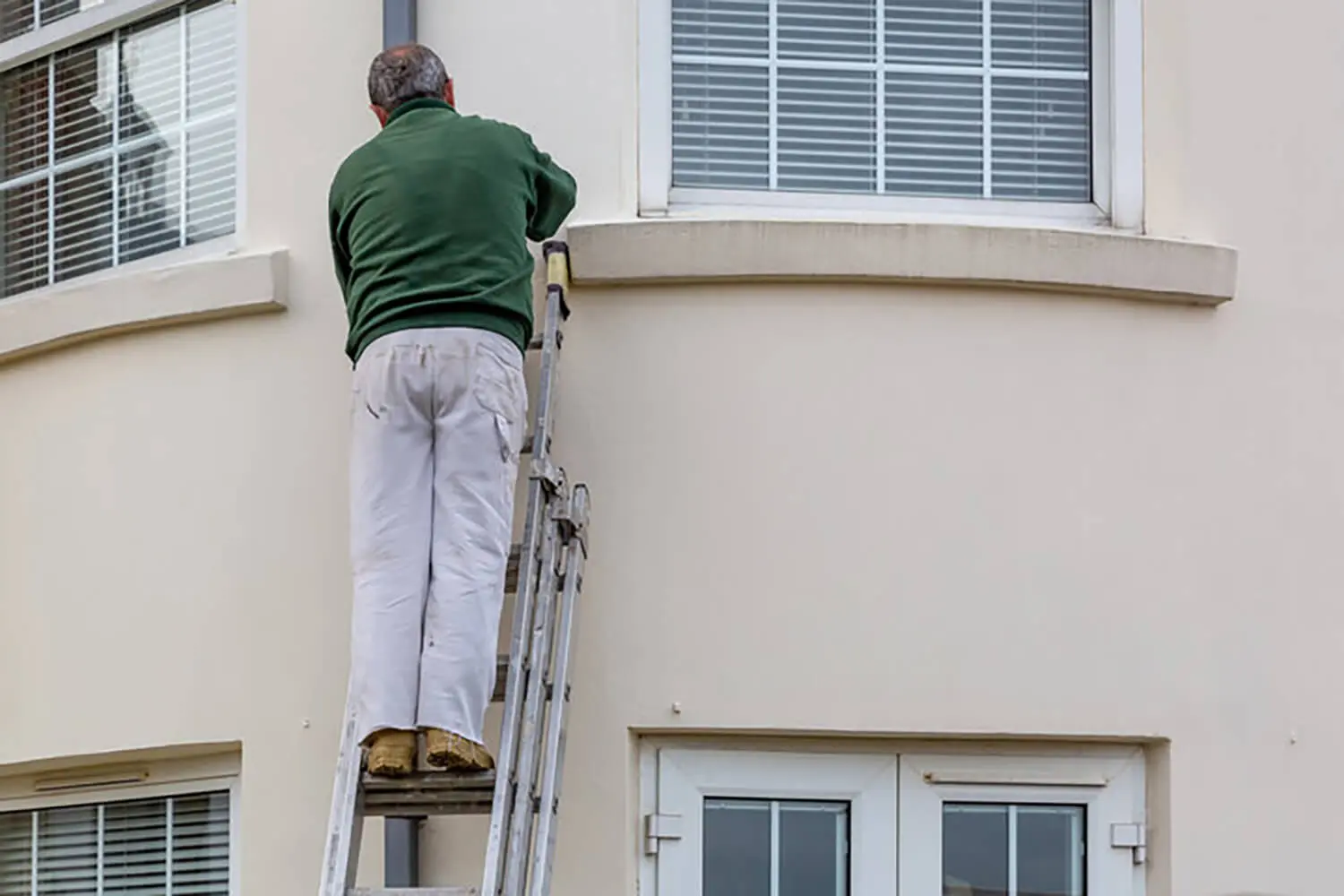
Spring has a way of making exterior painting feel overdue. The house has been sitting through months of cold, the paint is showing wear, and the first stretch of warmer days makes it feel like the right time to act. For many Warwick homeowners, spring is when the idea of an exterior project goes from something to think about to something to schedule.
But how spring weather affects exterior painting is more layered than the season’s reputation suggests. Warwick springs bring temperature swings, rainfall, and humidity levels that directly influence how paint behaves during and after application. And before any of that comes into play, a Warwick winter has already been working on exterior surfaces in ways that affect whether they’re ready to paint at all.
Understanding these conditions doesn’t require a background in coatings chemistry. It just requires knowing what to look for — and what questions to ask before a project begins.
Temperature Swings and What They Do to Paint
Warwick’s spring temperatures are inconsistent in ways that matter for exterior painting. A day that reaches the mid-60s in the afternoon can still drop into the low 30s overnight — and that gap creates real problems for paint that hasn’t had enough time to cure.
Most exterior paints require sustained temperatures above 50°F not just during application but for several hours after. That curing window is when the paint film forms its bond with the surface. When temperatures fall too quickly before that process is complete, the results show up in predictable ways:
- Bubbling or blistering on the surface
- Cracking or flaking paint that appears days or weeks after application
- Poor adhesion that causes paint to peel earlier than it should
The cold itself isn’t the only issue. Rapid temperature change causes surfaces to expand and contract, and fresh paint that hasn’t fully cured can’t flex with that movement. That stress compounds over time.
A warm afternoon in April or early May can feel like a clear window. The surface is warm, the air feels right, and conditions look good. But if overnight temperatures are still dropping near freezing, the curing window isn’t there — and paint applied in those conditions is working against the surface rather than with it.
Rainfall and Moisture in the Spring Window
Spring in Warwick brings more frequent rainfall than the months that follow, and moisture is one of the more unforgiving variables in exterior painting. The challenge isn’t just rain on the day of a job — it’s the moisture that lingers in surfaces long after the rain has stopped.
Wood siding, trim, and older substrates are particularly prone to holding moisture beneath the surface. A few dry days can make a surface look and feel ready while the material underneath is still saturated. Paint applied over a wet substrate traps that moisture inside, and as it eventually tries to escape, it pushes through the paint film from beneath in the same way that seasonal moisture cycles wear down exterior paint longevity over time.
- Bubbling or blistering that appears days or weeks after the job
- Peeling that starts at edges and seams where moisture is most concentrated
- Adhesion failure across larger surface areas in more severe cases
Rain after application creates a different problem. Fresh paint needs adequate dry time before it can handle moisture exposure, and Warwick’s spring weather doesn’t always provide it. A stretch of clear days can give way to rain faster than a forecast suggests, leaving a fresh coat vulnerable before it has set.
The practical difficulty is that good conditions can look convincing. A few dry, warm days can feel like the window has opened — and sometimes it has. But when surfaces are still carrying moisture from recent rainfall, the appearance of readiness and actual readiness aren’t the same thing.
How Humidity Levels Influence Paint Behavior
Temperature and rain get most of the attention when it comes to exterior painting conditions, but humidity plays its own distinct role — and Warwick’s spring air carries enough of it to matter.
The core issue is evaporation. Paint dries as moisture evaporates out of the wet film. High humidity slows that process down, which keeps paint in a vulnerable state longer than expected. The longer paint stays wet, the longer the window in which dust, insects, and airborne debris can settle into the surface. It also extends the time before the next coat can be applied without compromising adhesion between layers.
Very high humidity introduces a more specific problem with latex paints. When moisture in the air interferes with even drying across a surface, the result can be:
- Lap marks where sections dried at different rates
- Uneven sheen across the finished surface
- Surface inconsistencies that are difficult to correct without repainting
Low humidity creates the opposite problem. Paint that dries too fast doesn’t have enough time to level properly before the film sets. On large surfaces exposed to direct sun, this can prevent the paint from bonding correctly and leave a finish that looks and performs worse than it should.
Warwick’s spring humidity doesn’t hold steady. It shifts day to day and sometimes hour to hour, which means conditions that looked right in the morning can change by the time a crew is mid-project. That variability is part of what makes spring a more complicated season for exterior painting than it appears from the outside.
What a Warwick Winter Leaves Behind on Exterior Surfaces
Before spring conditions even come into play, winter has already been working on exterior surfaces. What it leaves behind is one of the more overlooked factors in whether a spring painting project succeeds.
Warwick winters subject exterior surfaces to repeated freeze-thaw cycles over the course of several months. Water works its way into small cracks, joints, and the substrate itself, then expands as it freezes. That expansion puts pressure on existing paint films and on the surface material underneath — wood siding, trim, and older caulking take the brunt of it. By the time spring arrives, the evidence is visible on many homes:
- Peeling or flaking paint, particularly on south and west-facing surfaces that absorb more temperature variation
- Cracked or separated caulking around windows, doors, and trim
- Raised or split wood grain on siding and trim exposed to repeated moisture and cold
Moisture from winter can also persist into spring in ways that aren’t obvious from the surface. Siding and trim that absorbed water during winter months may still be holding it even after temperatures rise and the surface feels dry to the touch. Painting over that moisture seals it in rather than letting it escape, and what follows is the same pattern as painting over rain — bubbling, peeling, and adhesion failure that shows up after the job is done.
Surface contamination is another carry-over from winter. Mold, mildew, and dirt accumulate on exterior surfaces through the colder months, and paint applied over a contaminated surface without proper cleaning won’t bond correctly regardless of how good the conditions are on the day of application.
The takeaway is straightforward: spring surfaces often need more preparation than they appear to. What looks paintable from the street — or even up close — may not be ready underneath.
When Spring Conditions Actually Align for Exterior Painting in Warwick
Spring doesn’t arrive in Warwick as a single, stable set of conditions. It arrives in stages, and the stage that’s actually suitable for exterior painting is narrower than the season as a whole.
The conditions that need to line up before exterior painting can proceed reliably aren’t complicated, but they all have to be present at the same time:
- Daytime temperatures consistently above 50°F with overnight lows staying above freezing
- A dry stretch of several days before application, long enough for surfaces to shed moisture from recent rainfall
- Moderate humidity — not so high that drying slows significantly, not so low that paint sets before it can level properly
- Surfaces that have had enough time after winter to dry out and be properly assessed and prepared
In Warwick, that combination tends to come together in late May into June, which is consistent with what makes late spring and early fall the most reliable windows for exterior painting in this area. Earlier in the season, overnight frost risk is still real, rainfall is more frequent, and surfaces are more likely to still be carrying winter moisture. The calendar says spring, but the conditions often say otherwise.
Even once that window opens, it isn’t guaranteed to stay open. A week of rain or an unseasonably cool stretch can close it again. That’s why experienced painters in this area monitor conditions rather than work off a fixed calendar — the window is defined by what the weather is actually doing, not by what month it is.
For homeowners, this means that a genuinely good spring painting window in Warwick is real but specific. It requires the right combination of conditions to be present together, not just a stretch of days that feel warm enough to be outside.
What This Means Before You Start an Exterior Painting Project
Spring weather in Warwick doesn’t disqualify exterior painting — but it does require more than picking a warm week and moving forward. Temperature swings, rainfall, humidity, and the condition of surfaces coming out of winter all influence whether paint goes on correctly and holds up the way it should. When those factors aren’t accounted for, the problems that follow aren’t always immediate. They show up weeks later, after the crew has moved on and the window to address them easily has closed.
The homeowners who get the best results from spring exterior projects are the ones who treat surface condition and timing as part of the project, not afterthoughts. That starts with an honest assessment of what winter left behind and an understanding of what conditions actually need to be in place before painting begins.
If you’re thinking about an exterior painting project this spring, the right first step is having your surfaces looked at before scheduling anything. Willow Tree Painting works with Warwick homeowners to assess exterior conditions and advise on timing — so the project starts when conditions are actually ready, not just when the calendar says spring. Reach out today to schedule a consultation.