
How Weather Affects Exterior Paint Longevity in Warwick, NY
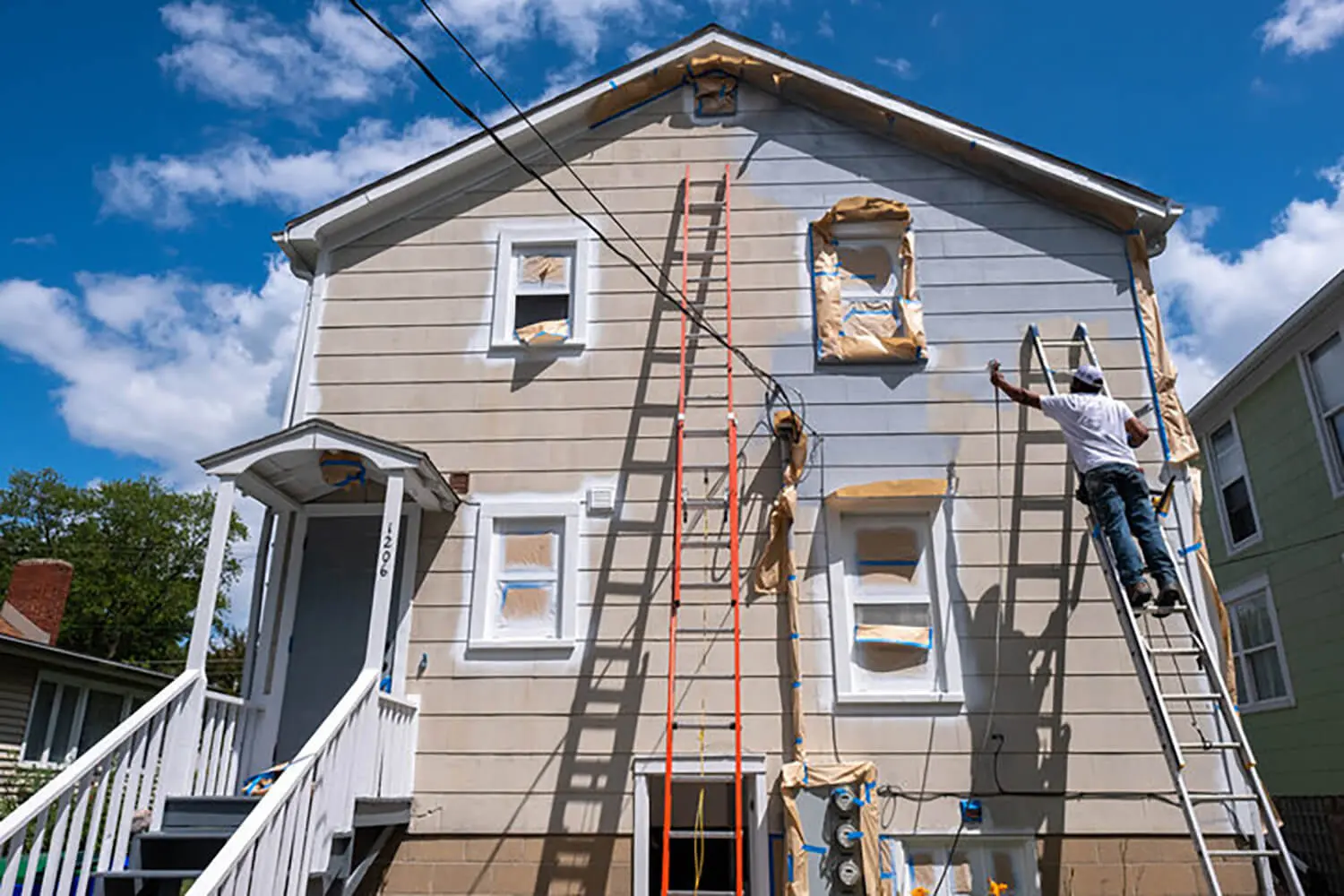
If you’ve lived in Warwick for a while, you’ve probably noticed that some homes seem to hold their exterior color beautifully for years, while others start fading, peeling, or cracking much sooner. Even houses on the same street can age differently.
That often leaves homeowners wondering what went wrong.
In many cases, the answer comes down to how weather affects exterior paint longevity. Exterior paint is constantly exposed to sun, moisture, temperature swings, and seasonal changes. Over time, that exposure adds up in ways that are not always obvious at first.
Understanding this matters because paint is not just decorative. It protects siding, trim, and wood from moisture and structural damage. When the finish begins to break down, the underlying materials can become vulnerable.
In this article, you’ll learn how ongoing weather exposure in Warwick gradually impacts exterior paint, how seasonal stress builds over time, and why some homes experience shorter paint lifespans than others.
Exterior Paint Longevity Is Shaped by Ongoing Weather Exposure
Exterior paint is designed to act as a protective barrier. It shields siding and trim from moisture, sunlight, wind, and temperature shifts. But even the highest-quality coatings are constantly working against the elements.
Unlike interior walls, exterior surfaces never get a break. Every day brings some form of exposure, including:
- Direct sunlight
- Humidity and rain
- Freezing and thawing
- Wind-driven debris and dust
- Rapid temperature swings
None of these factors cause instant failure on their own. Instead, exterior paint longevity is shaped by repeated exposure over months and years. The finish expands slightly on warm days, contracts during cold nights, absorbs and releases moisture, and endures UV radiation that slowly alters its chemical structure.
This cumulative stress matters more than a single storm or heat wave. A heavy rainstorm might not visibly damage fresh paint. But years of seasonal moisture cycles can gradually weaken adhesion. A few hot days will not fade color immediately. But years of ultraviolet exposure can slowly dull pigments and reduce flexibility.
This is why paint performance is rarely about one dramatic event. It is about how climate conditions consistently interact with the surface over time. The more extreme or variable the weather, the more work your exterior coating has to do to maintain its bond and appearance.
Weather-Related Stress Gradually Breaks Down Exterior Paint
As seasons change, your home’s exterior materials are constantly expanding and contracting. Wood siding swells as it absorbs moisture and shrinks as it dries. Vinyl and fiber cement shift with temperature swings. Even trim boards move subtly throughout the year.
Paint has to move with these materials.
When temperatures rise, surfaces expand. When they drop, surfaces contract. This repeated movement creates stress within the paint film. Over time, that stress reduces flexibility and weakens adhesion to the surface underneath.
The process is gradual but predictable. Common weather-related stress patterns include:
- Hairline cracks forming as paint loses elasticity
- Small gaps at joints or seams
- Peeling at edges where movement is greatest
- Bubbling when trapped moisture pushes outward
Moisture plays a major role in this breakdown. Rain, snow, and humidity allow siding to absorb water, which is one of the five signs you should repaint
before more serious damage develops. When temperatures drop and that moisture freezes, it expands inside the material. As it thaws, the cycle repeats. These freeze–thaw cycles are especially demanding in climates like Warwick’s.
Ultraviolet light also contributes to the decline. Sun exposure slowly breaks down binders within the paint, making the surface more brittle and less able to handle movement. Even when peeling is not obvious, fading and chalking can signal that the protective layer is weakening.
This is how weather affects exterior paint longevity in a practical sense. The finish does not usually fail all at once. Instead, long-term stress reduces flexibility, weakens adhesion, and gradually shortens the exterior paint lifespan until visible damage begins to appear.
Warwick’s Seasonal Climate Accelerates Exterior Paint Wear
Warwick’s climate places exterior paint under steady, year-round pressure. Homes here experience cold winters, wet transitional seasons, and warm, humid summers. That combination creates demanding conditions for exterior coatings.
Winter is particularly tough on painted surfaces. Extended cold periods reduce paint flexibility, and repeated freeze–thaw cycles stress both siding and the paint film. Snow buildup and ice dams can trap moisture against trim and fascia, allowing water to sit longer than it should. As that moisture seeps in and freezes, it expands, creating subtle separation between the paint and the surface beneath.
Spring and fall often bring frequent rain and fluctuating temperatures. Surfaces may stay damp for longer stretches, especially on shaded sides of the home. This ongoing moisture exposure increases the weather impact on exterior paint, particularly around joints, caulking lines, and horizontal trim where water can collect.
Summer introduces a different type of strain, and the durability of your coating often starts with choosing the right paint finish for the surface. Strong sun exposure heats exterior surfaces significantly, especially darker colors. That heat causes materials to expand more aggressively during the day, then contract as temperatures cool at night. Over time, this daily expansion and contraction reduces paint flexibility and adhesion.
When you combine:
- Freeze–thaw cycles
- High humidity and rainfall
- Direct summer sun
- Rapid seasonal temperature swings
You create a climate that continually challenges exterior paint durability in cold climates like Warwick. The issue is not just one harsh season. It is the cumulative effect of multiple demanding seasons working together year after year.
This is how climate affects exterior paint at a regional level. Homes in milder, more stable climates often see longer paint lifespans simply because the coating is under less environmental stress. In Warwick, the seasonal range makes regular evaluation and maintenance especially important for protecting exterior surfaces.
Uneven Exposure Causes Exterior Paint to Wear at Different Rates
Not every side of your home experiences the same conditions. Even on a single property, exterior paint longevity can vary dramatically depending on orientation, shade, and protection from the elements.
South- and west-facing sides typically receive the most direct sunlight. Over time, prolonged UV exposure can fade color and dry out the paint film more quickly. Darker shades may show this wear sooner because they absorb more heat, increasing daily expansion and contraction.
North-facing sides often stay cooler and more shaded. While this can reduce UV damage, it may increase moisture retention. Surfaces that dry slowly after rain or snow are more likely to develop mildew, staining, or subtle adhesion issues.
Other exposure differences include:
- Areas beneath roof overhangs that are shielded from heavy rain
- Trim near gutters or downspouts that sees concentrated water flow
- Sections near landscaping where sprinklers regularly hit the siding
- Garage doors and entryways that receive constant sun when open
These micro-environments create uneven stress patterns. One wall may still look solid and vibrant, while another begins to show early signs of peeling or chalking.
Homeowners sometimes assume that paint failure means the entire house needs immediate attention. In reality, cumulative exposure varies by surface. Over time, those small differences in sun, moisture, and airflow add up, which is why exterior paint can age unevenly across the same structure.
Recognizing this pattern helps you understand that wear is often location-specific rather than a sign of poor workmanship or product failure.
How Weather Influences Exterior Paint Longevity in Warwick, NY
When you step back and look at the full picture, how weather affects exterior paint longevity in Warwick comes down to steady, cumulative exposure rather than sudden damage. Paint is constantly adapting to temperature swings, moisture cycles, and sun exposure. Over time, that repeated stress reduces flexibility, weakens adhesion, and slowly shortens the life of the coating.
In Warwick, the seasonal range intensifies this process. Cold winters limit elasticity and introduce freeze–thaw movement within siding. Wet seasons keep surfaces damp for extended periods, increasing the risk of moisture intrusion. Warm summers bring strong sun and surface heat that accelerate fading and daily expansion cycles. Each season contributes its own type of strain, and together they compound year after year.
This is why exterior paint durability in cold climates depends so heavily on long-term environmental conditions. A paint job may look solid for several years, then begin showing subtle signs of fatigue as accumulated stress reaches a tipping point.
Understanding how climate affects exterior paint helps set realistic expectations. No exterior coating is permanent. Its lifespan is shaped by ongoing weather exposure, the materials beneath it, and how consistently those surfaces are maintained.
If you are unsure how much life your current paint still has, Fresh Start Paint Pros can help you evaluate it honestly. We assess surface condition, weather exposure, and overall wear so you know what to expect before problems develop further. If your home is ready for attention, we can recommend the right preparation and coating system for long-term performance. Visit our exterior painting services page to learn how we protect Warwick homes from ongoing weather exposure.