
5 Signs It’s Time to Repaint Your Home’s Exterior (and How to Do It Right)
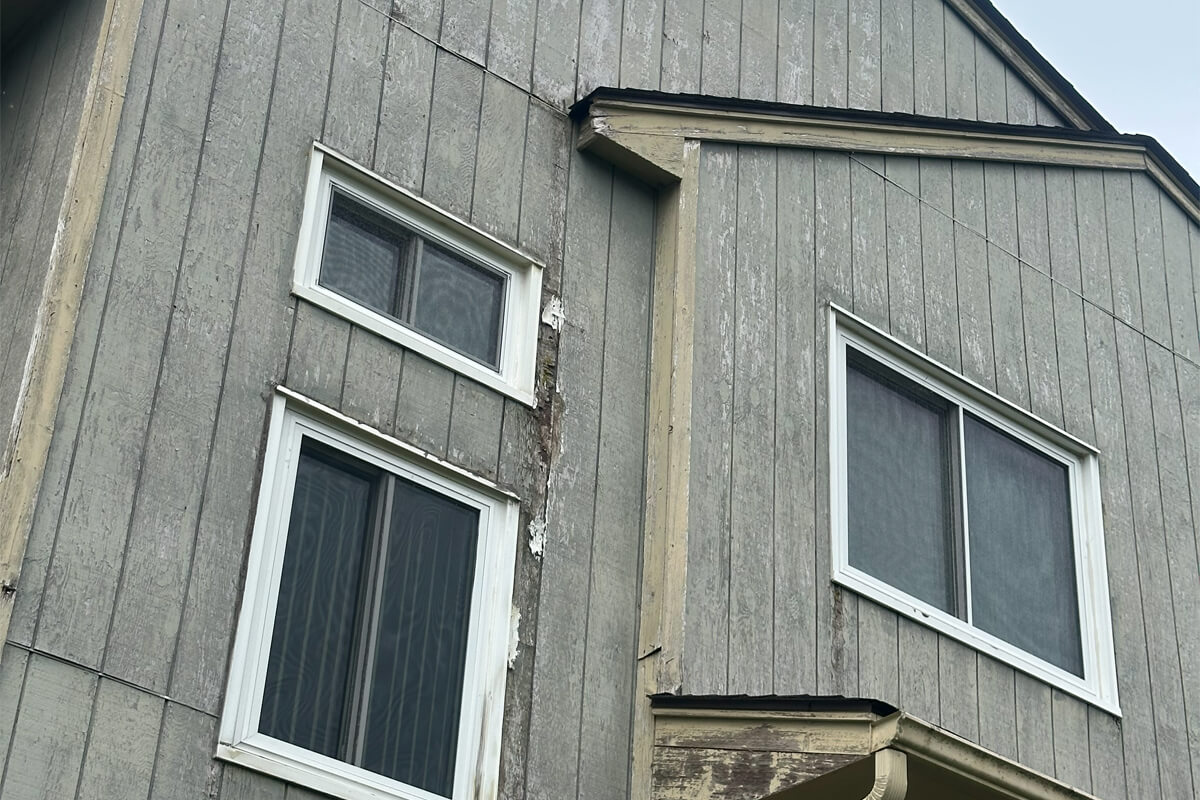
Your home’s exterior does more than just look good—it shields your house from harsh weather, moisture, and UV rays. Over time, that protective layer weakens, leaving your home vulnerable to damage. Knowing when to repaint your home’s exterior can help prevent structural issues, maintain your property’s value, and keep your curb appeal strong.
At Willow Tree Painting & Home Improvement, we’ve seen how small paint issues can quickly turn into major repairs. Here are five clear signs that it’s time to schedule an exterior repaint—and expert advice on how to get it done right.
Sign #1: Fading or Discolored Paint
One of the first indicators that your home needs attention is fading color. Sun exposure, rain, and temperature changes all cause paint pigments to break down, leaving your exterior dull and uneven.
Fading doesn’t just affect looks—it’s also a sign that your paint’s protective qualities are wearing off. When color begins to lose vibrancy, your siding and trim are left more vulnerable to water damage and rot.
If you notice your once-rich color looking chalky or washed out, it’s time to consider a repaint. A professional painting team can help you choose UV-resistant, weatherproof paints that keep your home looking new for years.
Sign #2: Peeling, Cracking, or Bubbling Surfaces
When paint starts to peel, crack, or bubble, it’s more than an eyesore—it’s a warning sign. These issues usually mean the paint has lost adhesion or moisture has seeped underneath the surface.
Peeling paint allows water to penetrate your siding, leading to swelling, warping, or wood rot. Once this starts, it spreads quickly. Regular inspections and proper surface prep before repainting can prevent expensive repairs later on.
If you see flaking or bubbling on your siding, trim, or window frames, it’s best to call a professional painting company to assess the damage. They’ll scrape away loose paint, sand the area smooth, and apply new coatings that seal and protect your home properly.
Sign #3: Exposed Wood or Chalking Residue
Run your hand along your home’s siding. If you feel a fine, powdery residue, that’s called chalking—a natural sign that your paint’s binder is breaking down. Left untreated, chalking can expose the material beneath, making it more vulnerable to water and sun damage.
Exposed wood or metal means the protective barrier is already gone. When that happens, surfaces can absorb moisture and start deteriorating quickly.
Before repainting, Willow Tree Painting & Home Improvement ensures surfaces are properly cleaned and primed to restore that protective layer. Investing in professional prep work helps the new paint adhere better and last longer.
Sign #4: Mold, Mildew, or Dark Spots
If you see dark streaks, green patches, or mildew on your home’s exterior, don’t ignore them. Mold and mildew thrive in areas that stay damp or shaded—especially near gutters, downspouts, or siding joints.
Not only can they damage your paint, but they can also affect your home’s air quality and structure. Cleaning those areas thoroughly and using mildew-resistant paints during your next repaint can keep these problems from returning.
Regular washing and maintenance go a long way, but when staining becomes widespread, a professional repaint is the most effective long-term solution.
Sign #5: Cracks or Gaps Around Trim and Siding
Small cracks around windows, trim, or siding boards may seem minor, but they’re a sign that the sealant or paint film is failing. Those gaps allow moisture and insects to find their way inside—two of your home’s biggest enemies.
During a repaint, pros will inspect for cracks, re-caulk joints, and apply flexible, weather-resistant coatings that expand and contract with temperature changes. This not only improves the appearance but also reinforces your home’s weatherproofing.
How to Do It Right: Professional Prep and Application
Repainting your home’s exterior isn’t just about color—it’s about protection. Here’s how professional painters ensure a lasting, high-quality finish:
- Inspection & Preparation: Surfaces are cleaned, pressure-washed, and checked for damage or rot.
- Repair & Sanding: Cracks, peeling areas, and wood damage are repaired to ensure smooth application.
- Priming: High-quality primer is applied to improve adhesion and seal porous areas.
- Painting: Durable, weather-resistant coatings are applied using precise techniques for uniform coverage.
Skipping any of these steps can lead to uneven color, poor adhesion, and shorter paint life. Hiring experienced painters ensures every stage is done correctly the first time.
For more details, visit our Exterior Painting Services page to see how our process protects homes throughout Warwick and surrounding areas.
A fading, peeling, or cracked exterior isn’t just unattractive—it’s a sign your home needs care. Repainting at the right time keeps your property looking beautiful while preventing costly structural damage later.
If you’ve noticed any of these warning signs, the professionals at Willow Tree Painting & Home Improvement are here to help. With expert prep work, premium materials, and attention to every detail, we’ll give your home a finish that lasts season after season.
📞 Contact us today to schedule a free exterior evaluation and discover how a fresh coat of paint can protect and elevate your home.